
How to Fix Paint Chips: A Step-by-Step Repair Guide for Long-Lasting Results
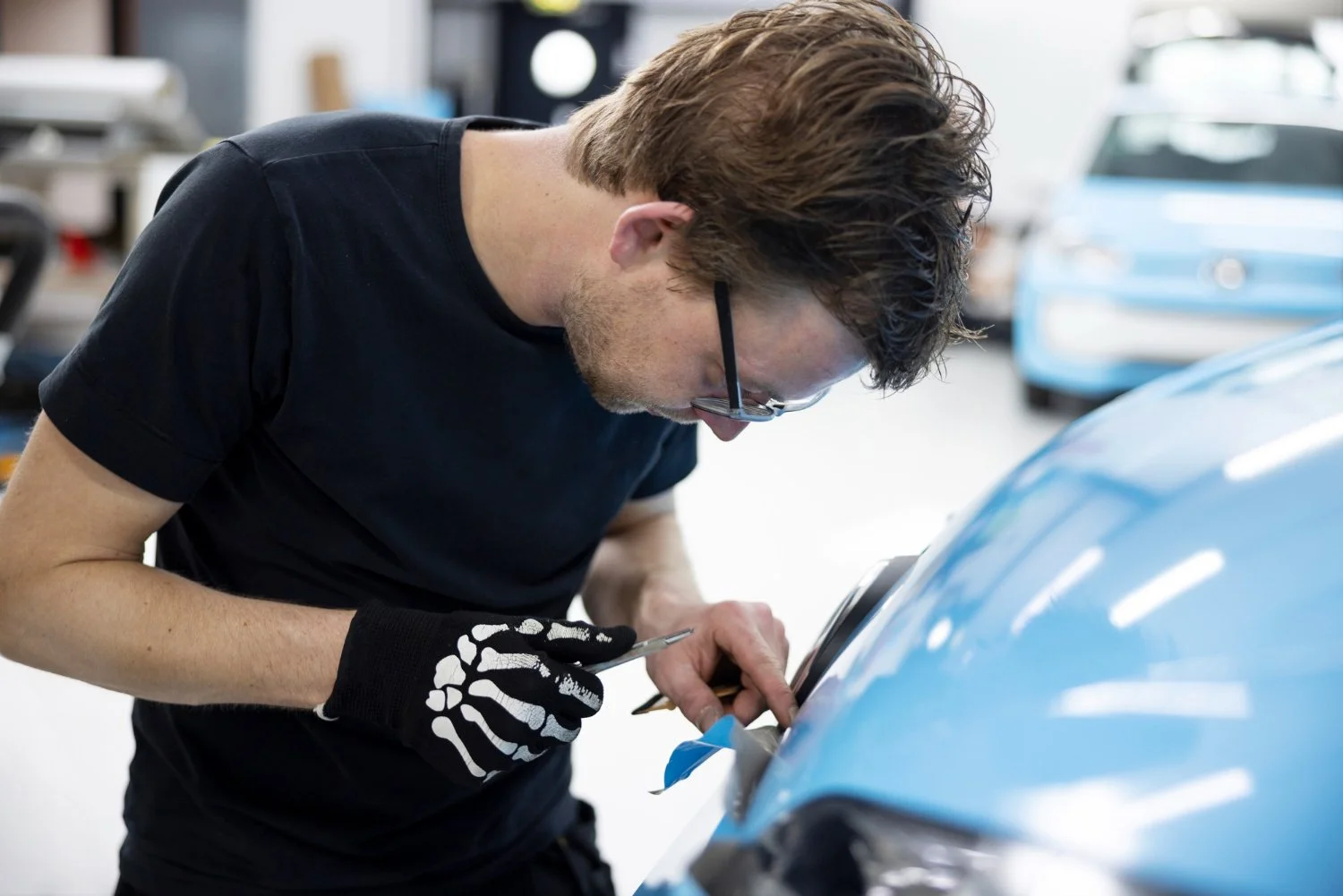
How to fix paint chips is one of the most common questions car owners ask after noticing small marks on their vehicle. Paint chips may seem minor, but if they are ignored, they can lead to rust, fading, and costly damage. Chips often happen from road debris, gravel, weather exposure, or minor impacts. Automotive paint protection complements repairs by helping prevent future chips and scratches.
Paint damage can affect both appearance and protection. Understanding the right repair process helps keep your vehicle looking clean and protected for years.
Key Takeaways
Paint chips should be repaired early to prevent rust
Proper surface preparation improves repair results
Color matching helps maintain a clean finish
Correct application techniques improve durability
Sealing protects repaired areas from future damage
Why Learning How to Fix Paint Chips Matters
Learning how to fix paint chips helps protect your vehicle’s surface from long-term damage. When paint chips expose bare metal, moisture and air can cause rust to form quickly. Even small chips grow larger over time if left untreated.
Paint chips also reduce resale value. Buyers often see chipped paint as a sign of poor care. Fixing chips early keeps your vehicle looking newer and better maintained.
Benefits of early paint chip repair include:
Rust prevention
Better appearance
Lower repair costs
Improved vehicle value
Understanding What Causes Paint Chips
Paint chips form when the vehicle’s protective coating is damaged. This often happens during daily driving. Small stones, sand, and debris strike the surface at high speed. Weather also plays a role as temperature changes cause paint to expand and contract. Over time, this weakens the paint layer and makes it easier to chip. Understanding The Role of Paint Chip Repair helps car owners prevent rust and maintain the vehicle’s appearance.
Common causes include:
Gravel and road debris
Harsh weather exposure
Car washes with stiff brushes
Parking lot impacts
Surface Preparation Is the First Step
Surface preparation is the most important part of paint chip repair. Without proper preparation, paint will not bond correctly. This can cause peeling or uneven coverage.
Start by cleaning the area thoroughly. Remove dirt, wax, and grease. Light sanding helps smooth rough edges and removes loose paint.
Surface preparation steps include:
Washing the damaged area
Drying completely
Light sanding around the chip
Removing dust before painting
Color Matching for a Seamless Look
Color matching ensures the repaired area blends with the rest of the vehicle. Even slight differences in shade can make repairs noticeable.
Most vehicles have a paint code listed inside the door frame or hood. This code helps find the correct color match.
Color matching tips:
Use manufacturer paint codes
Test paint on a small area first
Apply thin layers gradually
Allow proper drying time
Application Techniques That Improve Results
Application techniques affect how well the repair looks and lasts. Applying too much paint at once can cause bumps or uneven texture. Thin layers provide better control. For car owners in Montana, services like Montana tinting Bozeman also help maintain a smooth, protected finish.
Use a fine brush or applicator designed for paint chips, and let each layer dry before adding the next.
Best application techniques include:
Thin, even coats
Allowing proper drying time
Avoiding overfilling the chip
Working in a clean environment
Sealing Protects the Repair Area
Sealing is the final step in the repair process. Clear coat seals the paint and protects it from moisture, UV rays, and dirt. Without sealing, paint chips can reopen or fade quickly.
Apply a thin layer of clear coat after the paint dries. This adds shine and durability.
Sealing benefits include:
Moisture protection
UV resistance
Longer repair life
Improved finish
Common Paint Chip Repair Mistakes to Avoid
Many car owners make mistakes during repairs that reduce results. Rushing the process is one of the most common issues.
Skipping surface prep or applying thick paint layers often leads to visible flaws.
Common Paint Chip Repair Mistakes include:
Skipping cleaning steps
Poor color matching
Applying paint too thick
Forgetting to seal repairs
When Professional Paint Chip Repair Is Worth It
Some paint chips are too large or deep for DIY repair. In these cases, professional Paint Chip Repair offers better results. Professionals use specialized tools and controlled environments.
This is especially important for high-value vehicles or visible areas like hoods and doors.
Professional repair may be best when:
Chips expose bare metal
Damage covers large areas
Color blending is difficult
Long-term protection is needed
The Role of Paint Chip Repair in Vehicle Protection
The Role of Paint Chip Repair goes beyond appearance. Repairs protect metal surfaces from corrosion and extend the life of your paint.
Regular maintenance reduces the need for repainting and helps maintain factory finishes.
Protective benefits include:
Rust prevention
Paint layer strength
Reduced maintenance costs
Better long-term durability
How Paint Protection Film Helps Prevent Chips
Many drivers choose added protection after repairs. What Is Paint Protection Film? It is a clear film applied over painted surfaces to block debris and scratches.
The Installation Process of Paint Protection involves placing the film on high-impact areas like hoods and bumpers.
This is part of modern automotive paint protection strategies used to prevent future damage.
Paint Protection Options After Repair
After repairing chips, many drivers consider car paint protection film installation for long-term care. Film adds a protective barrier without changing the look of the vehicle.
For drivers in Montana, services like Montana tinting Bozeman help protect vehicles from gravel roads and harsh weather.
Protection options include:
Clear protective films
Ceramic coatings
Regular maintenance washing
DIY vs Professional Protection Choices
DIY repair works for small chips, but protection systems require experience. Professional installers ensure proper fit and durability.
Combining repairs with protective solutions reduces repeat damage and saves money over time.
Consider professional help when:
Driving in high-debris areas
Owning new or luxury vehicles
Wanting long-term paint care
For additional guidance on vehicle paint care and surface protection, visit the National Highway Traffic Safety Administration.
Review vehicle maintenance recommendationsfrom NHTSA to help protect your car’s exterior over time.
Conclusion: Fix Paint Chips Early for Better Results
Learning how to fix paint chips helps protect your vehicle from rust, fading, and costly repairs. With proper preparation, color matching, application, and sealing, small chips can be repaired effectively. Adding protection afterward keeps paint looking new longer.
If you want professional help with paint chip repair or protection solutions, contact Big Sky Tint today to keep your vehicle protected and looking its best.
Frequently Asked Questions
-
Start by cleaning and sanding the damaged area, match the color using the manufacturer code, apply paint in thin layers, and seal with clear coat for protection.
-
Yes. Even small chips expose bare metal to moisture and air, which can quickly lead to rust if left unrepaired.
-
DIY repair works for minor chips if done carefully. Proper surface prep, color matching, and sealing are essential. Large or deep chips may require professional repair.
-
Repair paint chips as soon as you notice them, especially before wet or harsh weather. Early repair prevents rust, fading, and more expensive damage.
-
After repairing paint chips, consider protective solutions like car paint protection film installation or ceramic coatings to prevent future damage and maintain the finish.
