
The Installation Process of Paint Protection Film Explained
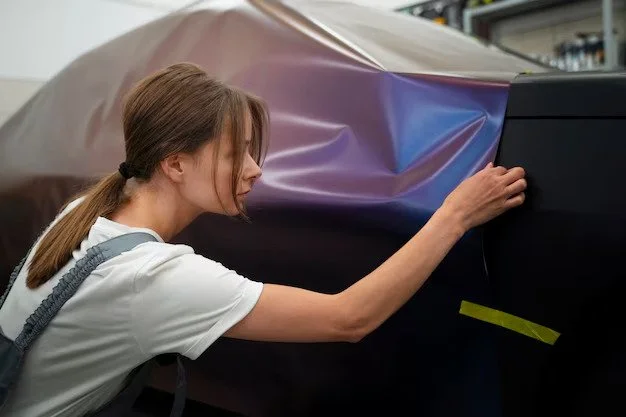
Paint Protection Film, commonly known as PPF, is a transparent layer applied over a vehicle's paint to protect it from scratches, chips, and environmental damage. This thin yet durable film acts as a barrier against road debris, minor abrasions, and chemical contaminants, preserving the vehicle’s original paint and finish. Understanding the installation process is essential for vehicle owners considering PPF services, as proper application significantly impacts the effectiveness and longevity of the protection.
Professional installation at a certified auto car care center ensures maximum durability, optimal clarity, and long-lasting protection for your vehicle’s finish. Skilled technicians use precise techniques and specialized tools to align, stretch, and adhere to the film correctly, preventing bubbles, wrinkles, or peeling. Choosing an experienced service provider guarantees that the PPF maintains its transparency and protective properties, allowing vehicle owners to enjoy both aesthetic appeal and reliable defense against everyday wear and tear.
Understanding Paint Protection Film
Paint Protection Film is a thermoplastic urethane material that acts as a shield for your vehicle's paint. Its primary purpose is to protect against minor abrasions, road debris, bird droppings, and chemical contaminants while maintaining the vehicle’s aesthetic appearance. Proper installation is crucial to ensure the film adheres seamlessly to the car's surface without causing bubbles, peeling, or discoloration over time.
Benefits of Professional Installation
Prevents incorrect alignment and bubbling
Extends the lifespan of the film
Enhances clarity and finish of the vehicle's paint
Ensures warranty compliance from film manufacturers
Reduces the risk of damage to sensitive areas such as edges and corners
Professional installers at a reputable auto car care center understand the intricacies of handling delicate surfaces and have specialized tools to ensure a flawless finish. Attempting DIY installation often results in uneven coverage, wrinkles, and air pockets that reduce effectiveness and longevity.
Surface Preparation
Before applying Paint Protection Film, thorough surface preparation is required. This step is vital because any dirt, dust, or imperfections trapped beneath the film can compromise adhesion and appearance.
Cleaning and Decontamination
Wash the vehicle thoroughly using pH-neutral car shampoo
Remove tar, sap, and other contaminants using specialized solutions
Inspect the surface for scratches, swirl marks, or minor paint defects and address them through polishing
Use clay bars to remove microscopic contaminants for a completely smooth surface
Surface preparation ensures that the car film installation process is smooth and long-lasting. Without proper cleaning, even a single speck of dust can cause bubbling under the film, affecting both aesthetics and protection.
Drying and Inspection
Once the vehicle is clean, it must be dried using microfiber towels or air blowers to avoid leaving streaks or water spots. After drying, a detailed inspection helps identify any minor imperfections or areas that may require extra attention before film application. Technicians may use bright lighting or magnifying tools to detect even the smallest flaws that could affect adhesion.
Film Application Techniques
The actual application of PPF requires precision, skill, and patience. Professional technicians use specific techniques to achieve an invisible protective layer that adheres perfectly to the car’s surface.
Wet vs. Dry Application
There are two main methods for applying Paint Protection Films: wet application and dry application.
Wet Application: Involves using a solution that allows the film to slide and position easily on the paint surface. This method is preferred for complex curves and contoured areas, as it provides more flexibility and reduces the risk of creases.
Dry Application: The film is applied directly without any solution. This method requires higher skill but can provide a more immediate bond to flat surfaces, ideal for simple panels like hoods or roofs.
Choosing the appropriate method depends on the vehicle's design, the complexity of curves, and the installer’s experience.
Stretching and Alignment
Technicians carefully stretch and align the film to fit the contours of the car. Edges, curves, and recesses require meticulous handling to prevent lifting or peeling over time. Using squeegees and soft cloths ensures the film conforms to the shape without trapping air bubbles. Proper alignment at the start reduces the need for corrections later and prevents potential damage to both the film and the paint surface.
Curing Process
After placement, the PPF needs time to cure and achieve optimal adhesion. Curing time can vary depending on temperature, humidity, and film type. Proper curing guarantees the film remains durable under various environmental conditions and protects the paint as intended. During this period, vehicles should ideally be kept indoors or in shaded areas to avoid exposure to extreme heat, moisture, or dust, which can compromise the curing process.
Tools and Equipment Required
Professional installation of Paint Protection Film relies on specialized tools and materials to ensure flawless results.
Essential Tools
Squeegees with felt edges for smooth application
Spray bottles with slip solution to prevent sticking during alignment
Precision knives for trimming edges
Heat guns to mold the film around curves and contours
Lint-free microfiber towels for drying and final inspection
Having the right tools is crucial for achieving a professional finish, which is why DIY attempts often fall short. The tools allow technicians to handle every panel accurately and prevent issues like bubbling, stretching, or tearing.
Quality Materials
The choice of PPF quality affects both durability and clarity. High-grade films provide better resistance to yellowing, scratching, and staining. Professional centers often offer multiple film options to suit different vehicle models, usage conditions, and customer preferences. Films may also include self-healing properties that allow minor scratches to disappear with heat or sunlight exposure, extending the protective life of the installation.
Common Mistakes During Installation
Incorrect installation can lead to bubbling, peeling, or uneven coverage. Understanding common errors can help vehicle owners appreciate the value of professional services.
Air Bubbles and Wrinkles
Trapped air or improper stretching can result in visible bubbles and wrinkles. These flaws reduce aesthetic appeal and compromise protective performance. Professionals ensure air pockets are carefully squeezed out and edges are properly sealed.
Misalignment
Even slight misalignment can create gaps at edges or corners, which become prone to damage. Professionals meticulously align the film before final adhesion, ensuring the entire surface is fully protected.
Insufficient Curing
Rushing the curing process can weaken adhesion and reduce longevity. Proper timing ensures the film bonds securely to the paint surface and maintains clarity over time. The curing stage may include multiple checks for bubbling or edge lifting before the vehicle is returned to the owner.
Maintenance After Installation
Maintaining Paint Protection Film is critical for long-term performance. Proper care extends its lifespan and keeps the vehicle looking pristine.
Cleaning Guidelines
Use mild, non-abrasive car shampoos
Avoid automatic car washes with harsh brushes
Rinse thoroughly to remove dirt, dust, and other contaminants
Use microfiber towels to dry surfaces gently
Following proper cleaning routines prevents scratches and preserves the clarity of the film.
Inspecting for Damage
Regularly check for scratches, edge lifting, or discoloration. Early detection allows for timely repairs, preserving the protective quality of the film. Small repairs or touch-ups are often more cost-effective than replacing large sections of damaged film.
Avoiding Harsh Chemicals
Avoid using strong solvents or harsh chemicals directly on the film, as they can compromise its clarity and durability. To strengthen protection, many local vehicle owners choose to apply the auto ceramic coating Bozeman residents trust over the film, which improves resistance to stains, UV exposure, and light abrasions while extending the lifespan of both the paint and the protective layer.
Cost and Considerations
While PPF installation can be a significant investment, the protection it provides often justifies the expense. Costs vary depending on vehicle size, coverage area, and film quality. A professional car film installation offers peace of mind, reducing long-term repair costs due to paint damage.
Additional considerations include:
Selecting the right coverage area for your vehicle
Choosing between standard or self-healing PPF
Decisions during installation often include selecting the right coverage area for your vehicle and whether to opt for standard or self-healing PPF. Many owners also explore complementary options such as vehicle tint Bozeman for added UV defense or auto glass tinting Bozeman to help preserve the interior against fading and heat damage.
Investing in professional installation ensures the film’s performance and protects your vehicle’s exterior effectively.
Comparison Table of Installation Factors
| Factor | DIY Installation | Professional Installation |
|---|---|---|
| Surface Preparation | Limited | Thorough and precise |
| Film Alignment | High risk of error | Accurate with expert tools |
| Curing and Adhesion | Inconsistent | Controlled for best results |
| Longevity | Reduced | Maximum lifespan |
| Warranty Availability | None | Manufacturer supported |
Why Choose Professional Services
Choosing a certified auto car care center ensures expertise in vehicle surface preparation, film application, and post-installation care. Professionals have experience with different vehicle types and PPF brands, guaranteeing a tailored approach for every installation.
Additional Services
Many professional centers offer complementary services such as:
Vehicle tint Bozeman for enhanced privacy and UV protection
Auto glass tinting Bozeman to protect interior surfaces
Auto ceramic coating Bozeman to enhance protective qualities
These services provide a comprehensive approach to maintaining a vehicle’s exterior in pristine condition while preserving resale value.
Conclusion
Paint Protection Film is a valuable investment for maintaining the appearance and integrity of a vehicle’s paint. By shielding the exterior from scratches, chips, and harsh weather conditions, it helps preserve the original finish while extending the vehicle’s overall lifespan. A clear understanding of the installation process, from surface preparation to curing, also allows owners to appreciate the care and precision required for long-lasting results. Regular maintenance ensures that the film continues to perform effectively over time without compromising the look of the vehicle.
Professional installation at an auto car care center guarantees accuracy, durability, and a flawless finish. Skilled technicians use specialized tools and proven techniques to ensure the protective layer fits seamlessly and provides maximum defense. For those considering long-term protection and added peace of mind, seeking expert installation is the best way to keep your vehicle in excellent condition. Contact a trusted specialist today to learn more about the benefits of Paint Protection Film.
FAQs
-
High-quality PPF can last between 5 to 10 years depending on exposure to environmental factors, maintenance, and quality of installation.
-
Yes, professional installers can safely remove the film without damaging the underlying paint. Removal must be done carefully to avoid tearing or adhesive residue.
-
When applied correctly, the film is virtually invisible and preserves the original color and shine of the vehicle’s paint.
-
Areas most prone to damage, such as the front bumper, hood, mirrors, and door edges, typically benefit from partial coverage. Full coverage is recommended for vehicles requiring maximum protection.
-
Yes, PPF can be used alongside auto ceramic coating Bozeman, vehicle tint Bozeman, or auto glass tinting Bozeman for added protection and enhanced durability.
