
When to Repair Paint Chips: Seasonal Considerations for Long-Lasting Vehicle Protection
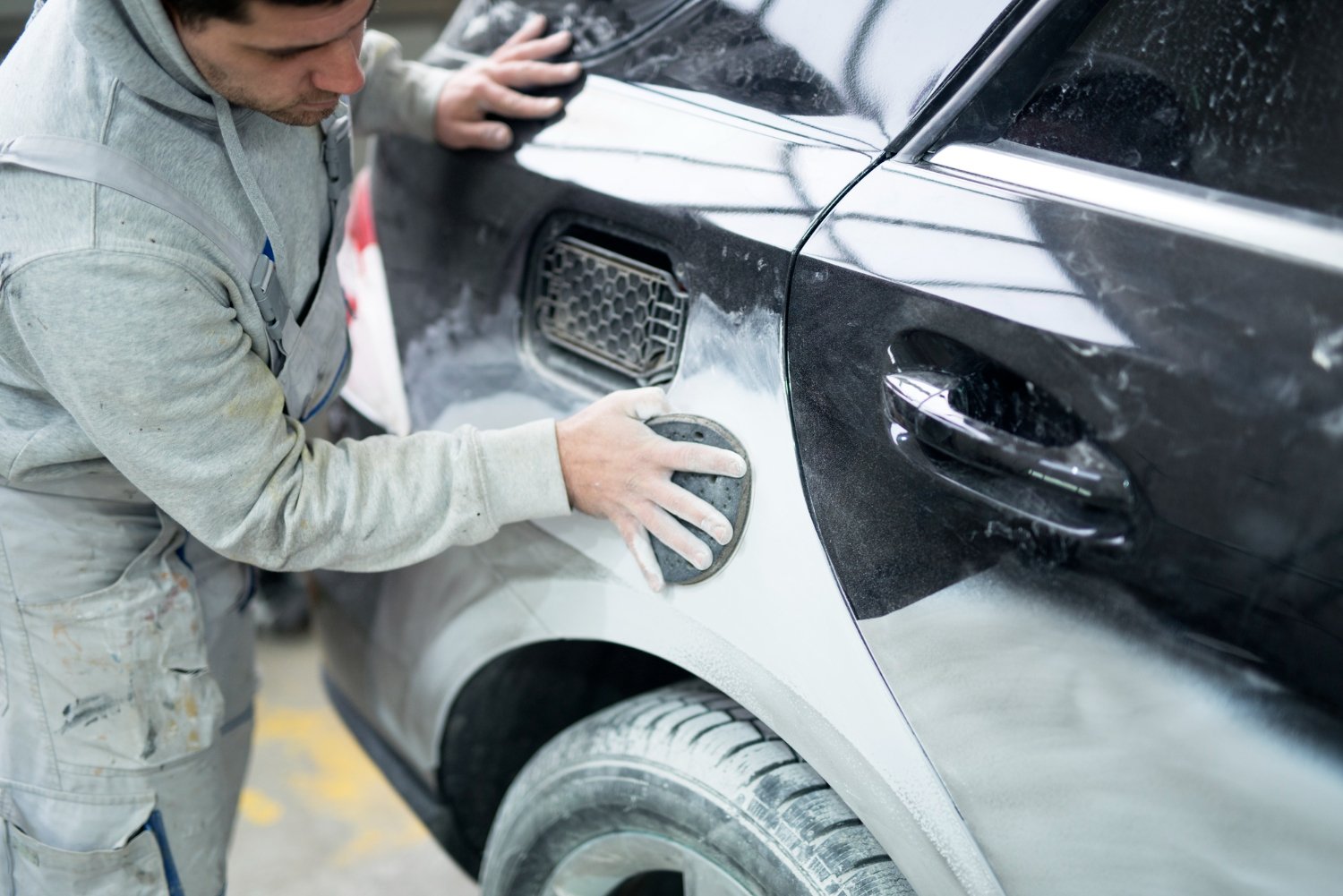
When to repair paint chips is a crucial question for vehicle owners who want to maintain both the appearance and protection of their car. Paint chips often start small, but if left untreated, they can quickly lead to rust, fading, and further damage. Seasonal weather, temperature changes, and road conditions all play a role in how paint wears over time. Using automotive paint protection after repairs helps maintain the finish and prevents future damage.
Key Takeaways
Repair paint chips before extreme weather to prevent rust
Winter damage can worsen chips if left untreated
Summer heat accelerates paint fading and cracking
Seasonal maintenance ensures long-term protection
Professional services can optimize repair and protection results
Why Timing Matters for Paint Chip Repairs
The timing of paint chip repairs affects how well the repair lasts. During winter, moisture and road salt can enter exposed metal through chips, accelerating rust formation. In summer, high temperatures and UV exposure can cause paint to crack or fade around damaged areas.
Repairing chips at the right time helps maintain the vehicle’s appearance and prevents costly damage down the line. Seasonal maintenance allows car owners to plan repairs efficiently and avoid emergency fixes.
Winter Damage and Paint Chips
Winter presents a unique set of challenges for vehicles. Cold temperatures, snow, and salt on roads can cause paint to contract, making chips more severe. Moisture trapped in these areas can lead to rust underneath the paint layer. Using car paint protection film installation can help shield vulnerable areas and reduce damage during harsh winter conditions.
Winter repair tips include:
Inspect for chips before snow and ice arrive
Clean and dry areas thoroughly before applying touch-up paint
Use corrosion-resistant primers if metal is exposed
Schedule repairs early to prevent rust spread
Summer Heat and Its Effect on Paint Chips
Summer heat and strong sunlight can cause paint to expand and fade. Paint chips during hot weather can quickly grow larger as the surrounding area weakens. UV rays accelerate fading and may make color matching more challenging during repairs.
Summer repair tips include:
Avoid repairing in direct sunlight to prevent uneven drying
Apply multiple thin layers rather than one thick coat
Use UV-resistant clear coat to protect repaired areas
Inspect chips regularly during peak summer months
Seasonal Maintenance: Planning Your Paint Chip Repairs
Planning repairs according to seasons ensures optimal results. Regular inspections help catch chips before they worsen. A seasonal maintenance plan involves checking the vehicle after harsh weather events, cleaning damaged areas, and scheduling touch-ups. Understanding The Role of Paint Chip Repair helps car owners prevent rust, fading, and more extensive damage over time.
Seasonal maintenance checklist:
Inspect paint after storms or winter thaw
Clean chips of dirt and debris
Match colors carefully before painting
Seal repaired areas to prevent moisture and UV damage
Surface Preparation for Seasonal Repairs
Surface preparation is critical for all repairs, regardless of season. Clean the area thoroughly, remove rust if present, and lightly sand the edges of the chip. Proper surface prep ensures paint adheres correctly and lasts longer.
Preparation steps:
Wash and dry the area completely
Remove loose paint and rust
Sand edges for smooth transition
Wipe dust off before painting
Color Matching Across Seasons
Color matching is particularly important during seasonal repairs. Paint may fade over time due to sun exposure, so even a slight mismatch can be noticeable. Using the vehicle’s manufacturer code ensures a more precise match and improves the results of Paint Chip Repair.
Tips for color matching:
Check manufacturer paint codes
Compare new paint to existing color in shade variations
Test on a small area first
Adjust layers gradually to achieve a seamless finish
Application Techniques for Durable Repairs
Proper application techniques ensure paint chips are repaired effectively and last across seasons. Applying thin layers, letting each dry, and finishing with a clear coat improves durability and appearance.
Best practices include:
Apply multiple thin coats instead of one thick layer
Let paint dry completely between layers
Use fine brushes or applicators for precision
Avoid direct sunlight or extreme temperatures during application
Sealing Repairs for Seasonal Protection
Sealing repaired areas is essential for protecting paint against weather changes. A quality clear coat shields the repair from moisture, UV rays, and debris. Seasonal repairs are incomplete without sealing, especially before winter or summer extremes.
Sealing benefits:
Prevents water intrusion and rust
Protects against UV fading
Extends repair life
Maintains smooth, glossy finish
Common Mistakes During Seasonal Paint Chip Repairs
Many car owners make mistakes that compromise repairs. Rushing, skipping surface prep, or neglecting sealing are common issues. Seasonal timing amplifies these mistakes because extreme weather accelerates wear. Understanding Common Paint Chip Repair Mistakes helps prevent costly errors and ensures long-lasting results.
Common mistakes:
Skipping cleaning and sanding steps
Applying paint in thick layers
Poor color matching
Forgetting to seal repairs
When Professional Help Makes Sense
For deep or large chips, professional repair ensures better results. Professionals have the tools, paint matching expertise, and experience to handle complex repairs. Seasonal repair services also help plan ahead for winter or summer conditions.
Professional repair advantages:
Accurate color matching
Expert application techniques
Protection against rust and fading
Long-lasting results
Paint Protection After Seasonal Repairs
After seasonal repairs, adding protection improves long-term durability. Car paint protection film installation and other automotive paint protection measures shield repaired areas from future chips, sun damage, and road debris.
Services like Montana tinting Bozeman provide professional installation of paint protection films to preserve your vehicle's finish.
DIY vs Professional Seasonal Repairs
DIY repairs are useful for small chips, but professional services offer more precise and durable results. Seasonal professional maintenance ensures chips are repaired before they worsen due to weather extremes.
DIY vs Professional:
DIY: good for minor chips and quick fixes
Professional: better for deep chips, large areas, and long-term protection
For additional guidance on seasonal vehicle care and protection, visit the NHTSA vehicle maintenance page.
Learn how proper seasonal maintenance protects your vehicle from weather-related damage.
Conclusion: Repair Paint Chips Before Seasons Change
Knowing when to repair paint chips helps prevent rust, fading, and costly damage. Seasonal maintenance, surface preparation, color matching, proper application, and sealing are all key steps for long-lasting results. Adding paint protection afterward ensures your vehicle remains protected throughout the year.
For professional seasonal paint chip repairs or paint protection solutions, contact Big Sky Tint today to keep your vehicle looking and performing its best.
Frequently Asked Questions
-
Repair paint chips before extreme weather such as winter snow or summer heat to prevent rust and fading.
-
Yes. Winter salt and moisture accelerate rust, while summer UV and heat can cause paint to fade and crack.
-
Small chips can be repaired DIY, but large or deep chips are better handled by professionals for long-lasting results.
-
Absolutely. Sealing prevents moisture, debris, and UV damage, ensuring repairs last across seasons.
-
Yes. Installing paint protection films or coatings after repairs helps shield the vehicle from chips, scratches, and fading.
