
Does Window Tint Really Reduce Heat? The Science Behind Automotive Solar Control
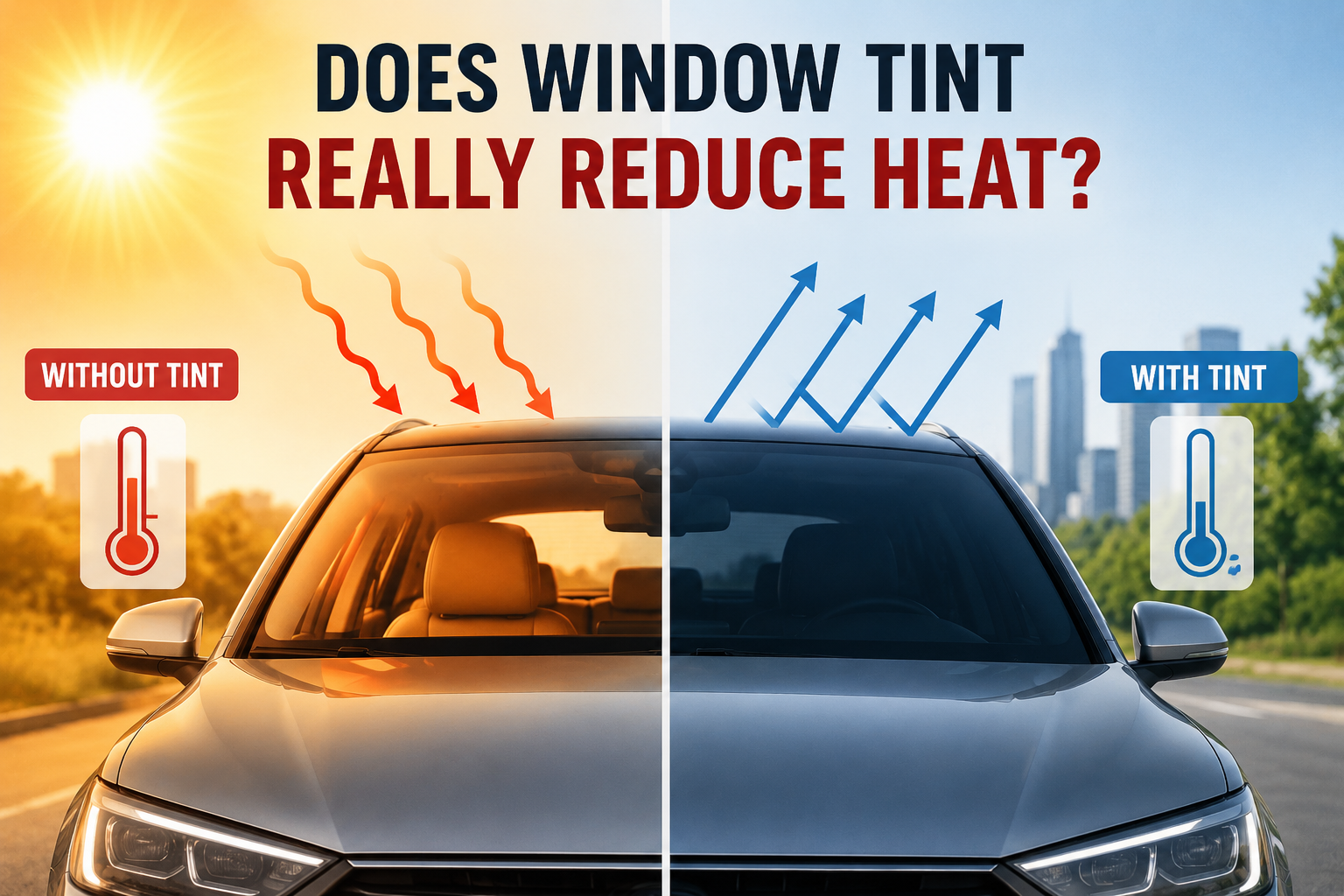
Window Tint is one of the most effective upgrades vehicle owners can make to improve comfort, reduce heat buildup, and protect their car's interior from harmful UV rays. During hot summer months, stepping into a vehicle that has been parked in direct sunlight can feel overwhelming. The temperature inside can rise quickly, making driving uncomfortable and increasing the workload on the air conditioning system.
This is where modern window tint technology comes into play. High-quality window tint helps block solar energy before it enters the vehicle, creating a cooler and more comfortable cabin environment. However, many drivers still wonder whether window tint actually reduces heat or if it is simply a cosmetic enhancement. Understanding the science behind automotive solar control can help vehicle owners make informed decisions about protecting their vehicles and improving everyday driving comfort.
Key Takeaways
Window tint can significantly reduce interior heat buildup.
Modern tint films block a large portion of solar energy.
Quality tint helps improve driving comfort and energy efficiency.
UV protection helps preserve interior materials.
Professional installation delivers the best long-term performance.
Proper maintenance helps maximize tint lifespan.
What Is Window Tint and How Does It Work?
Window tint is a thin film applied to a vehicle's glass surfaces to reduce the amount of solar energy entering the cabin. While many people associate window tint with privacy or appearance, modern tint technology is primarily designed to improve comfort and protection.
When sunlight reaches a vehicle, several forms of solar radiation pass through the glass. These include visible light, ultraviolet (UV) rays, and infrared (IR) heat energy. Standard automotive glass blocks some UV radiation, but a significant amount of heat can still enter the vehicle.
Window tint works by filtering or reflecting portions of this solar energy before it penetrates the cabin. Depending on the type of film used, a window tint system can significantly reduce heat transfer while still maintaining visibility and driving safety.
Benefits of Window Tint
Reduced cabin temperatures
Improved driving comfort
UV protection
Reduced interior fading
Enhanced privacy
Improved vehicle appearance
Does Window Tint Really Reduce Heat?
The short answer is yes. High-quality window tint can substantially reduce the amount of heat that enters a vehicle. However, the amount of heat reduction depends on the type of tint film installed and its solar rejection capabilities.
Heat enters a vehicle primarily through sunlight. As solar energy passes through untreated glass, interior surfaces absorb the heat and begin warming the cabin. Seats, dashboards, steering wheels, and other surfaces can quickly become extremely hot.
Window tint interrupts this process by blocking a portion of the solar energy before it reaches these surfaces. The result is a cooler interior, reduced heat buildup, and improved overall comfort.
Many drivers notice the difference immediately after installation, particularly during warmer months when vehicles spend extended periods parked outdoors.
Typical Benefits Drivers Notice
Cooler interior temperatures
Reduced air conditioning demand
Less glare while driving
More comfortable seats and surfaces
Better passenger comfort
Understanding the Science Behind Automotive Solar Control
To understand why window tint works, it helps to understand how solar energy affects a vehicle.
Sunlight contains three primary components:
Visible Light
Visible light is the portion of sunlight that allows us to see. Different tint shades affect how much visible light enters the vehicle.
Ultraviolet (UV) Rays
UV radiation contributes to fading, cracking, and deterioration of vehicle interiors. Long-term exposure can damage dashboards, leather seats, and other materials.
Infrared (IR) Energy
Infrared energy is the primary source of heat buildup inside a vehicle. Modern tint films are specifically engineered to block a large percentage of infrared radiation.
By reducing infrared transmission, window tint significantly lowers the amount of heat entering the cabin. This process is known as solar heat rejection and is one of the most important performance measurements when evaluating tint products.
Types of Window Tint and Their Heat Rejection Performance
Not all window tint products perform the same. Different film technologies provide varying levels of solar control and heat reduction.
Dyed Window Tint
Dyed films primarily improve appearance and reduce glare. While they offer some heat reduction, their performance is generally lower than advanced tint technologies.
Metalized Window Tint
Metalized films use microscopic metallic particles to reflect heat. They provide improved solar rejection but may interfere with electronic signals in some vehicles.
Carbon Window Tint
Carbon films offer strong heat rejection without the signal interference sometimes associated with metalized products. They also provide excellent durability and fade resistance.
Ceramic Window Tint
Ceramic films are widely considered the premium option for heat reduction. Many drivers choose ceramic technology because it offers exceptional infrared rejection while maintaining visibility.
This is one reason why many vehicle owners who invest in auto ceramic coating services often pair them with ceramic window tint for complete vehicle protection.
Comparison of Tint Types
| Tint Type | Heat Reduction | Durability |
|---|---|---|
| Dyed Film | Moderate | Moderate |
| Metalized Film | Good | Good |
| Carbon Film | Very Good | Excellent |
| Ceramic Film | Excellent | Excellent |
How Window Tint Helps Protect Your Vehicle's Interior
Heat reduction is only one advantage of window tint. Long-term sun exposure can cause significant interior damage over time.
Dashboards may crack. Leather seats can dry out. Plastic trim can fade and become brittle. These problems often develop gradually but can significantly reduce a vehicle's appearance and value.
By blocking harmful UV rays and reducing heat buildup, window tint helps preserve interior materials and maintain a newer appearance for longer periods.
Many vehicle owners discover that protecting their interiors today can reduce repair and restoration costs in the future.
Interior Components Protected by Window Tint
Dashboard surfaces
Leather seats
Upholstery
Door panels
Electronic displays
Steering wheels
Can Window Tint Improve Fuel Efficiency?
Although window tint does not directly improve fuel economy, it can contribute to greater efficiency in warm climates.
When interior temperatures remain lower, the air conditioning system does not have to work as hard to cool the cabin. Reduced strain on the vehicle's climate control system can help lower energy consumption, particularly during long drives or hot weather conditions.
While the savings may vary depending on driving habits and climate, many drivers appreciate the improved comfort and reduced dependence on maximum air conditioning settings.
Common Window Tinting Myths Debunked
There are several misconceptions surrounding automotive window tint. Understanding the facts can help drivers make better decisions.
Myth: Darker Tint Always Means Better Heat Reduction
This is not necessarily true. Modern ceramic films can provide excellent heat rejection even with lighter shades.
Myth: Window Tint Only Improves Appearance
While tint certainly enhances a vehicle's appearance, its primary benefits include heat reduction, UV protection, and improved comfort.
Myth: All Tint Films Perform the Same
Film quality varies significantly. Premium products often provide substantially better solar control and durability.
This is why understanding "Window Tinting Myths Debunked" is important when comparing products and installation options.
Window Tint Maintenance Tips for Long-Term Performance
Proper "Window Tint Maintenance" helps preserve appearance and performance for many years.
After installation, tint requires a curing period. During this time, it is important to follow installer recommendations regarding window use and cleaning procedures.
Once cured, routine maintenance is relatively simple. Gentle cleaning techniques help prevent scratches while maintaining clarity and performance.
Best Practices for Tint Care
Use ammonia-free cleaners
Clean with microfiber cloths
Avoid abrasive materials
Follow curing instructions
Inspect film periodically
With proper care, professional tint installations can provide reliable performance for many years.
Why Professional Installation Matters
Even the highest-quality tint film can underperform if installed incorrectly. Professional installers use specialized techniques and tools to ensure proper adhesion and a clean finish.
Experienced installers also help vehicle owners select films that align with their goals, whether those goals involve heat reduction, UV protection, privacy, or aesthetics.
Drivers searching for vehicle tint bozeman services should focus on experienced professionals who use high-quality films and provide warranties for their work.
In many cases, professional installation delivers better performance, longer lifespan, and improved appearance compared to lower-quality alternatives.
Additional Vehicle Protection Solutions
Window tint works exceptionally well alongside other vehicle protection services. For example, car film installation solutions can help protect vulnerable surfaces from damage while enhancing long-term vehicle preservation.
Combining multiple protective services creates a more comprehensive strategy for maintaining both the interior and exterior condition of a vehicle. This approach is one reason many vehicle owners consider these upgrades worthwhile investments.
Learn More About Solar Energy and Heat Transfer
Research from the U.S. Department of Energy explains how solar radiation contributes to heat gain and why solar-control technologies can improve comfort and energy efficiency. Visit here.
Learn more about solar heat management and discover how energy-control technologies help reduce heat transfer in vehicles, buildings, and other environments.
Conclusion
Window tint is far more than a cosmetic enhancement. Modern tint technology is specifically designed to reduce heat, block harmful UV rays, improve comfort, and protect vehicle interiors from long-term sun damage. By understanding how solar energy enters a vehicle and how tint films help control that energy, drivers can make informed decisions about improving their driving experience.
Whether your goal is greater comfort, better UV protection, reduced glare, or enhanced interior preservation, investing in quality window tint can provide lasting benefits for both drivers and passengers.
Ready to enjoy a cooler and more comfortable ride? Contact Big Sky Tint today to learn more about professional window tint solutions and schedule your consultation.
Frequently Asked Questions About Window Tint
-
The amount varies depending on the film type. Premium ceramic films can reject a significant percentage of solar heat and infrared energy compared to untreated glass.
-
Yes. Most quality tint films block a large percentage of harmful UV radiation, helping protect passengers and interior materials.
-
Many drivers find ceramic tint worthwhile because it provides superior heat rejection, durability, and comfort without affecting visibility.
-
Professional installations often last many years when properly maintained. Film quality, installation quality, and environmental exposure all influence longevity.
